GCT Survivor Sisters
Granulosa cell tumors (GCT) are a rare type of ovarian cancer that begin in the cells surrounding the egg.This page was created to share clear, accessible information about GCT, how it is diagnosed, and resources available for patients and families.
Our Story
When women are diagnosed with Granulosa Cell Tumors (GCTs), a rare form of ovarian cancer, they often face more questions than answers. As survivors of GCT, we've learned that rare cancers pose unique challenges due to limited treatment options and scarce research, often leaving patients to navigate unconventional paths for care. Doctors may have limited knowledge, resources are scattered, and the path forward can feel isolating.In 2012, after her own diagnosis, Kim Eroh created the Facebook group GCT Survivor Sisters with just four members. The goal was simple but powerful: to connect women living with this rare cancer, share experiences, and support one another through the unknown.What began as a small circle of survivors has since grown into a worldwide network of more than 2,400 members, each contributing their lived expertise. Together, they built not only a strong community of support, but also an invaluable source of knowledge about GCTs—stories of diagnosis, treatments, and outcomes that few outside the group had ever gathered.Research Initiatives:
This collective voice caught the attention of researchers in the Hormone Cancer Therapeutics Research Group at Hudson Institute of Medical Research. Through a unique collaboration, the Survivor Sisters partnered with researchers to share their insights and help build one of the most significant patient-driven GCT data resources in the world.Today, our story is one of resilience, collaboration, and hope. By uniting survivors with scientists, we are breaking through the silence surrounding rare ovarian cancers and working toward earlier detection, better treatments, and brighter futures for women everywhere.
Research Team
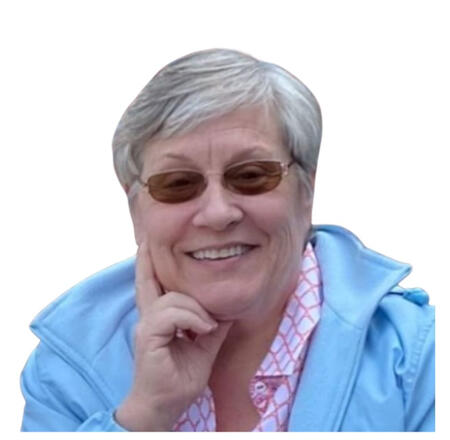
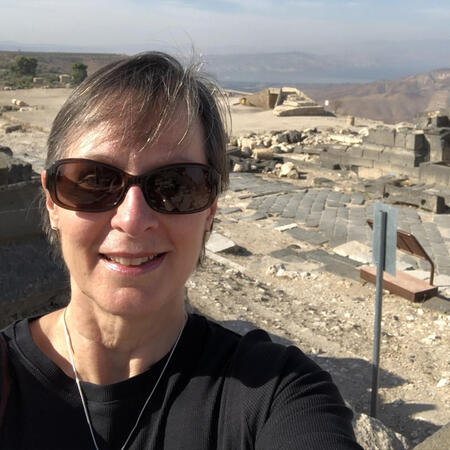
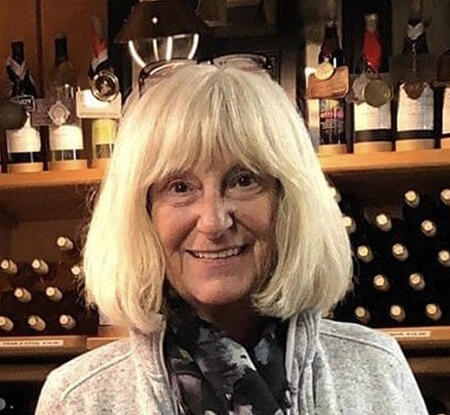
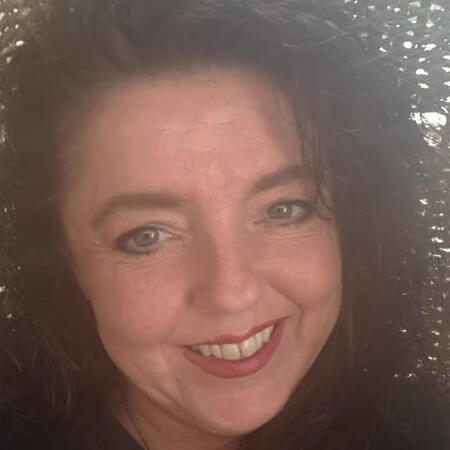
The Research Team within the GCT Survivor Sisters Group includes the following members:
Kim Eroh
Kaye Ackermann
Linda Langdale
Sue Rodgers
Natasha Armour
- with contributions from Lavonne S, Helen O'Hanlan and Lara E.

Current Efforts:
In late 2021, several members began discussing the urgent need for better information on radiotherapy, a potential in GCT treatment. The group has steadily worked together to identify gaps, share personal experiences, and build a roadmap for future collaboration with researchers from Hudson.
Learn about our Impact
Newly Diagnosed?
Join our Network of Support
International Connections
Join our international efforts!
Past Projects
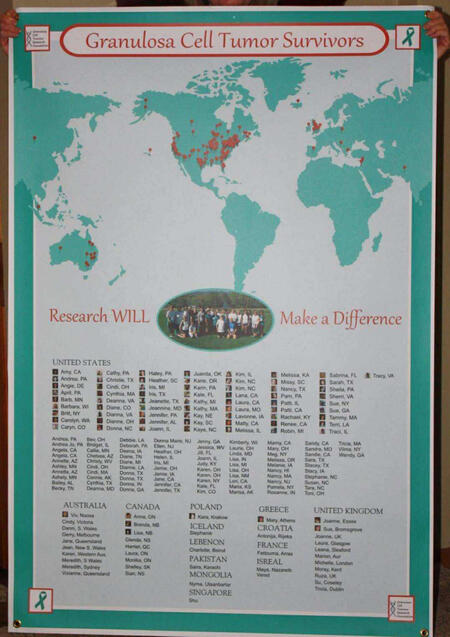
In 2014, GCT Survivor Sisters members contributed photos that were compiled into a large-format poster accompanied by a thoughtful cover letter explaining the purpose of the project and the urgent need for more research. With special thanks to Terri Nicken Colclough and Dianne Baughman, whose support was vital, the poster was sent to three major organizations—the Ovarian Cancer National Alliance, the National Ovarian Cancer Coalition, and the Ovarian Cancer Research Fund. Members received access to both the cover letter and a complete accounting of costs and funds, ensuring transparency. Out of respect for privacy, the poster itself was not posted on Facebook, though a photo of the organizer with the poster was shared privately and also provided to Powel Crosley for posting on the GCTFNZ website. This project demonstrated the community’s commitment to advocacy, its careful stewardship of sensitive materials, and its determination to capture the attention of national organizations in hopes of securing much-needed funding for GCT research.
In 2019, Sally Ann Hedrick Stevens attended the Ovarian Cancer Research Alliance (OCRA) Annual Conference in Seattle, WA. In the fall of 2019, she became an Advocate Leader with OCRA. Advocate Leaders lobby Congress for ovarian cancer research funding that will improve the lives of patients. She attended OCRA’s Advocacy Days on Capitol Hill meeting with Congressional leaders to advocate for better health policies and funding for ovarian cancer and gynecologic cancers. Additionally, OCRA publishes Action Alerts that members share via social media and send letters to our Congressional representatives. The group also works at the state and local levels to obtain Proclamations to recognize September as Ovarian Cancer Awareness Month.